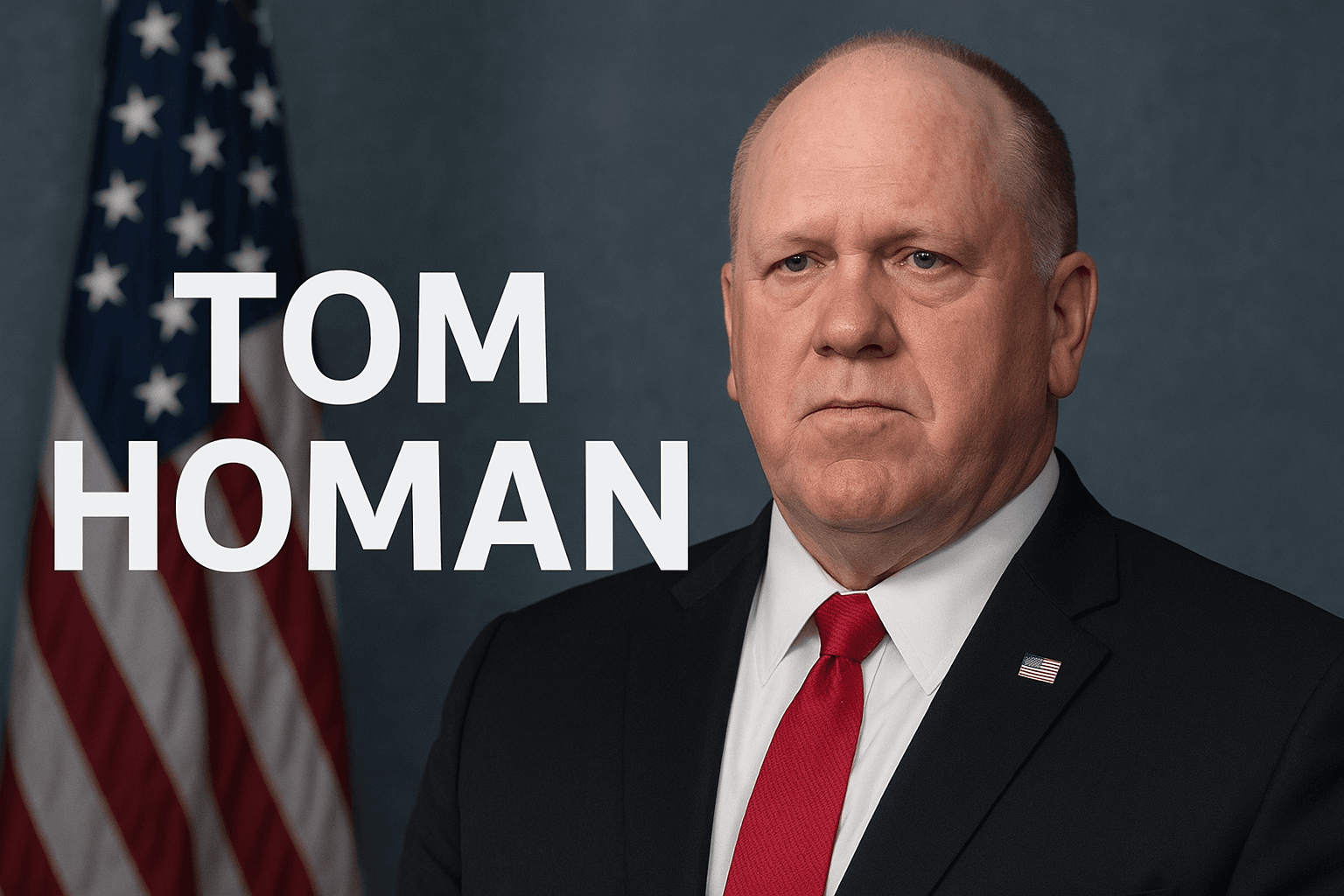
As the name Tom Homan is mentioned in U.S. politics, it can be an issue of a heated argument. Having served in immigration enforcement over the years, Homan has both been commended in his work in promotion of the law and law and order and criticized due to his hard stand in immigration. Whatever one may say about his political stance, his career will be a major part of the ongoing discussion of border security, immigration and national policy in America.
Who Is Tom Homan?
Thomas Douglas Homan, better known as Tom Homan, is an American retired government official who was appointed acting director of the U.S. immigration and Customs Enforcement (ICE). Homan was born in New York in 1961 and his career in the law enforcement area started at the age of early twenties as he scaled through the ranks in the process of becoming one of the most distinguished names in the field of immigration enforcement.
Homan had decades of service in border control and immigration enforcement making him a tough, no-nonsense official. ICE was one of the polarizing issues in the Trump administration which put him at leadership of the organization.
Career Highlights
Homan has made immigration and law enforcement interests the focus of his career:
- Early Career Homan started his career in law enforcement as a police officer and went on to serve in positions in the U.S. Immigration and naturalization service (INS).
- Plans with ICE: Since in 2003 the creation of ICE, he was instrumental in the formation of the work of the agency, having served in several positions at its helm.
- Acting Director of ICE: In January 2017, under President Donald Trump Homan became the Acting Director of ICE, where he became well known to enforce immigration policies more aggressively.
The position taken by Tom Homan on Immigration.
This is one thing that has made Tom Homan even a better public figure with the unapologetic opinion he has on immigration. He has maintained that deportation laws against undocumented immigrants should be followed to the letter and it is important to ensure national security.
Under his new leadership of ICE, Homan endorsed issues like:
- Deportations of illegal immigrants are increased.
- Tougher border security control.
- Pro-construction of stone wall support.
- Sanctuary cities crackdown.
His supporters cheered him on because they felt that he was being fair to individuals and those who came to the United States, and reinforced their security. Critics, however, claimed that his policies were incredibly uncaring and disproportionate to the families of immigrants.
Speaking and appearing in the media.
Tom Homan did not slip into the background anymore after he retired out of government service in 2018. Instead, he was one of the prominent actors in the media and political debates touching on immigration. He is commonly seen in the news, at conferences, and provides opinions where he lineages his border security.
A direct, blunt speech type has also caused him to become a familiar personality in American politics particularly with viewers who believe that more needs to be done on immigration enforcement.
Controversies and Criticisms.
Homan, just like other figures in the community who hold very political offices, has not been without his share of criticisms. His policies on enforcing the laws were considered cruel by activists and immigrant advocacy organizations (notably, concerning family separations at the U.S. Mexico border).
Homan has however insisted his role was to interpret the law written by the congress and not to make policy according to his whims and fancies. In many occasions, he highlights that immigration enforcement has to deal with preserving the integrity of the legal system.
Tom Homan’s Legacy
In a nutshell, the Immigration Policy of the U.S. was permanently influenced by the activities of the career of Tom Homan. The reality that his leadership was at a time when the nation was specifically under a very acute discourse concerning the issue of immigration means that after many years his name will remain attached to the broader discourse.
Regardless of whether a person agrees with his approaches or not, his input influenced how immigration is implemented and debated at the pinnacle political positions. This is moving forward with his post-retirement work so that his voice can remain a member of the national discourse.
Final Thoughts
The story is not only about the career of a single man but represents the real issues still facing America, namely, security, compassion, fairness, and government involvement in implementing laws. His legacy represents the intricacies of dealing with immigration enforcement and thus, he is someone that will still be discussed and learned about in the decades to come.
About the Author